
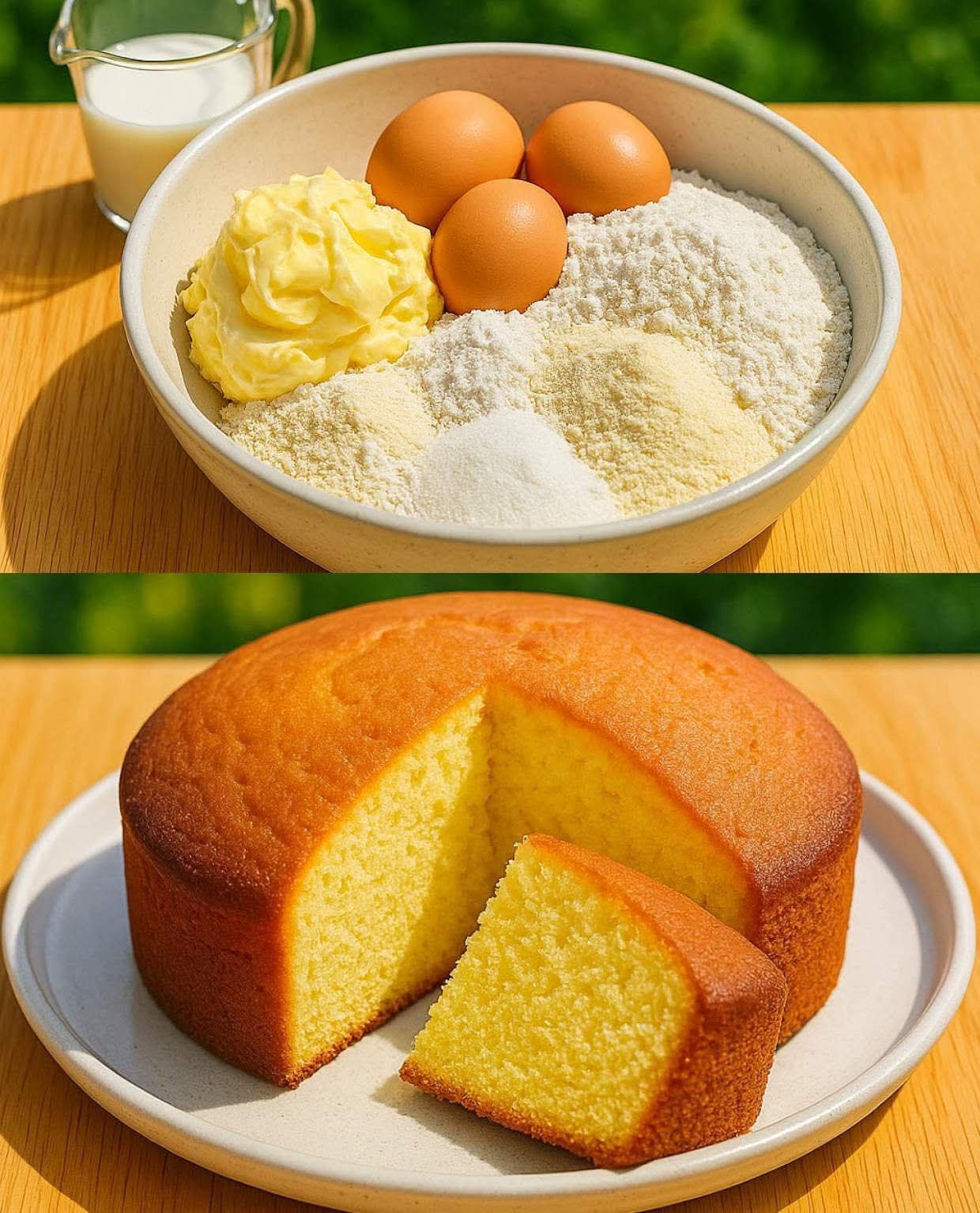
Classic Sponge Cake: A Timeless Dessert for Every Occasion
Few desserts have stood the test of time as gracefully as sponge cake. With its golden crust, soft crumb, and light yet satisfying texture, this cake is as versatile as it is beloved. From tea-time treats to layered celebration cakes, the sponge cake has earned its place in kitchens worldwide. What makes it so special is its simplicity: basic ingredients like flour, eggs, sugar, and butter transform into something extraordinary.
Whether enjoyed plain, dusted with powdered sugar, or used as the foundation for layered cakes filled with fruit, cream, or frosting, sponge cake has a universal appeal. Its neutral yet subtly sweet flavor pairs beautifully with countless variations, making it one of the most adaptable desserts in the baking world.
In this article, we’ll explore the magic of sponge cake in detail. From the classic recipe to professional tips, flavor variations, cultural history, serving ideas, storage advice, and why it continues to delight generations, this is the ultimate guide to mastering the perfect sponge.
Ingredients for a Classic Sponge Cake
The classic sponge relies on pantry staples:
1 cup all-purpose flour
1 cup sugar
4 large eggs
½ cup unsalted butter (softened)
½ cup milk
1 teaspoon baking powder
1 teaspoon vanilla extract
Pinch of salt
Optional: 2 tablespoons milk powder for added richness.
Step-by-Step Recipe
Step 1: Prepare the Pan
Grease and line an 8-inch round cake pan. Preheat oven to 350°F (175°C).
Step 2: Cream Butter and Sugar
Beat butter and sugar together until light and fluffy. This step helps incorporate air, giving the cake its signature lightness.
Step 3: Add Eggs
Beat in eggs one at a time, ensuring each is fully incorporated before adding the next.
Step 4: Dry Ingredients
Sift together flour, baking powder, and salt. Gradually fold into the wet mixture, alternating with milk.
Step 5: Add Vanilla
Stir in vanilla extract for flavor.
Step 6: Bake
Pour batter into the prepared pan. Bake for 30–35 minutes, or until a toothpick inserted in the center comes out clean.
Step 7: Cool and Serve
Let cake cool in the pan for 10 minutes, then transfer to a wire rack. Serve plain or decorate as desired.
Tips for a Perfect Sponge Cake
Room temperature ingredients: Butter, eggs, and milk blend better and trap more air.
Do not overmix: Mix gently once flour is added to prevent a dense cake.
Proper oven temperature: Too hot and the cake may dome; too cool and it won’t rise properly.
Check doneness early: Every oven varies; test with a toothpick after 25 minutes.
Cool before slicing: Prevents crumbling and keeps slices neat.
Flavor Variations
The sponge cake is a blank canvas for creativity. Try these variations:
Vanilla Sponge: Classic, lightly sweet, pairs with fruit or cream.
Chocolate Sponge: Replace ¼ cup flour with cocoa powder.
Lemon Sponge: Add lemon zest and juice for a citrus twist.
Marble Cake: Swirl chocolate and vanilla batters for a two-tone effect.
Nut Sponge: Fold in finely ground almonds, hazelnuts, or pistachios.
Spiced Sponge: Add cinnamon, nutmeg, or cardamom for warmth.
Serving Ideas
Sponge cake can be served in countless ways:
Plain: With tea or coffee, dusted with powdered sugar.
Layered: Slice horizontally and fill with whipped cream, jam, or custard.
Frosted: Top with buttercream, cream cheese frosting, or ganache.
Trifle base: Layer with custard, fruit, and cream.
Fruit-topped: Pair with fresh strawberries, blueberries, or mangoes.
Celebration cake: Decorate with fondant or icing for birthdays and weddings.
Nutritional Insights
Sponge cake is a treat, but it also provides energy and some key nutrients:
Protein: Eggs contribute high-quality protein.
Carbohydrates: Flour and sugar provide energy.
Fats: Butter gives richness and satiety.
Vitamins: Eggs add vitamin A, D, and B12.
Lighter versions can be made with less sugar, whole wheat flour, or Greek yogurt.
Storage and Make-Ahead Tips
Room temperature: Store in an airtight container for up to 3 days.
Refrigeration: Keeps fresh for up to 5 days, especially with cream fillings.
Freezing: Wrap cooled sponge in plastic wrap and freeze for up to 2 months. Thaw at room temperature before serving.
Make-ahead: Bake layers in advance and freeze; decorate the day of serving.
A Brief History of Sponge Cake
The origins of sponge cake can be traced back to the Renaissance. It’s believed to have been one of the first cakes made without yeast, relying instead on whipped eggs to create lift. Over time, sponge cake evolved into countless regional versions:
Genoise (Italy/France): A slightly denser sponge, often soaked in syrup.
Victoria Sponge (UK): Two sponge layers filled with jam and cream, named after Queen Victoria.
Castella (Japan): A light sponge introduced by Portuguese traders, now a Japanese specialty.
Bizcocho (Spain/Latin America): A term used for sponge-like cakes across Spanish-speaking regions.
This adaptability explains why sponge cake remains a global favorite.
Why Sponge Cake is Timeless
Simple ingredients: Flour, sugar, eggs, and butter are always at hand.
Versatile: Serves as a base for countless desserts.
Light yet indulgent: Satisfies without being overly heavy.
Cultural presence: Found in nearly every cuisine, with local adaptations.
Perfect for any occasion: From everyday tea-time to grand celebrations.
Final Thoughts
Sponge cake is proof that simplicity often creates the most lasting culinary traditions. With just a few humble ingredients, you can make a dessert that’s elegant, adaptable, and endlessly enjoyable. Whether you prefer it plain, layered, frosted, or topped with fruit, sponge cake never fails to bring comfort and delight.
The next time you crave something sweet but versatile, reach for this recipe. A golden sponge cake fresh from the oven is not just a dessert — it’s a piece of history, a canvas for creativity, and a treat that connects generations.